
Virtual Sports in Italy: The Market Where Good Products Stop Being Good Enough
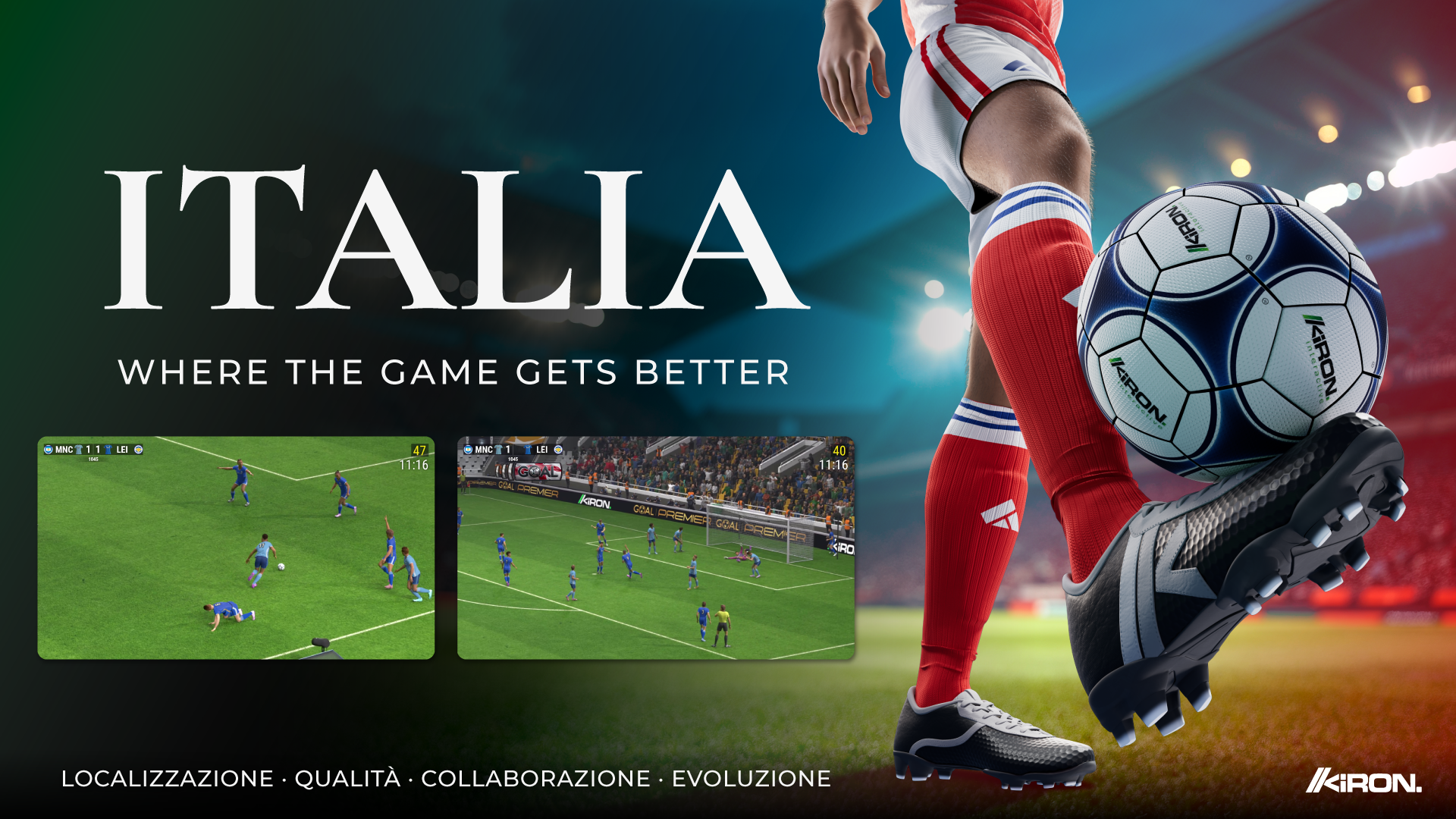
Technical excellence used to be enough to stand out in virtual sports. In Italy, it is simply the starting point.
As one of Europe's most established regulated gaming markets, Italy has become a proving ground for suppliers. Operators expect products that meet the highest technical standards, but they also expect something harder to achieve: experiences that genuinely reflect how their players engage with content. That shift has pushed virtual sports beyond being a convenient alternative to live events. Today, they are judged as entertainment in their own right.
The influence of that mind set extends well beyond Italy. As operators raise their expectations, suppliers are rethinking how they approach product design, localisation and long term player engagement across regulated markets.
The biggest change is that technology is no longer the defining competitive advantage. Stable platforms, high quality graphics and reliable integrations remain essential, but they have become the minimum standard rather than the point of difference. Players rarely return to a product because of the game engine behind it. They return because the experience feels intuitive, engaging and consistently enjoyable.
That distinction has become increasingly important as digital entertainment continues to evolve. Consumers now expect content to fit around their lives, whether they are streaming a series, playing a mobile game or watching shortform video. Virtual sports naturally align with those habits by offering familiar sporting experiences whenever players choose to engage, without relying on fixture lists or tournament schedules.
Availability alone, however, is no longer enough.
Italian players expect products that feel purposeful rather than repetitive. They notice when event pacing becomes predictable, when presentation lacks polish or when the experience feels as though it has simply been copied from another market. The challenge for suppliers is no longer creating more content. It is creating content that players want to return to.
That is why localisation has evolved far beyond translation.
Successful localisation starts with understanding player behaviour. It influences everything from the sports included in a portfolio to event presentation, navigation, betting flows and the overall rhythm of the product. Football remains the cornerstone of the Italian market, but growing interest in disciplines such as motorsport, cycling and basketball creates opportunities to broaden the experience without losing sight of local preferences.
The most effective products are those that feel designed for the market rather than adapted to it.
Meeting that standard requires closer collaboration between operators and suppliers than ever before. Operators bring detailed knowledge of their audiences, while suppliers contribute product expertise, technology and innovation. When those perspectives come together, products evolve in response to real player behaviour instead of internal assumptions.
Italy's regulatory framework has also played an important role in raising standards. Regulation is often discussed as a compliance exercise, yet its greatest contribution may be the consistency it demands. Clear expectations around integrity, responsible gaming and transparency encourage suppliers to invest in products that are built for long term success rather than short term gains. Strong regulation has helped create an environment where innovation is expected to deliver genuine value instead of novelty for its own sake.
That principle becomes even more important as technology continues to advance. Improvements in animation, game engines, platform integration and data capabilities create exciting new possibilities, but technology should always serve the player experience rather than compete with it. The most sophisticated platform in the market achieves little if players do not enjoy spending time with it.
For suppliers, product development has become a continuous process of refinement rather than a series of isolated launches. Every release generates new insights. Every operator partnership reveals new patterns of player behaviour. The businesses that continue listening and adapting are the ones most likely toremain competitive as expectations continue to rise.
At Kiron Interactive, that philosophy shapes the way we work with our partners in Italy and across regulated markets worldwide. Innovation rarely comes from a single breakthrough. It comes from consistently improving the details that players notice every time they engage with a product.
Italy continues to set the pace because it asks more of the industry. It rewards suppliers that look beyond technical excellence and focus on creating experiences that feel relevant, engaging and built around player expectations.
As the industry looks ahead to this year's EGR Italy Awards, those conversations around product quality and innovation feel especially significant. Kiron Interactive is proud to be shortlisted in the Best Virtual Sports Provider category, but recognition is only meaningful if it reflects the standards thatmarkets like Italy continue to demand.
Italy remains one of the few markets where player expectations rise as quickly as technology itself. That makes it one of the industry's most valuable testing grounds.Products that succeed here often shape expectations far beyond its borders, influencing the next generation of virtual sports across regulated markets worldwide.