

News & Insights
Our news, updates and thoughts.

Kiron Interactive CFO Paul Shackleton discusses how the role of finance is evolving as iGaming businesses expand into new markets. He explores why market opportunity needs to be weighed against the true cost of entry, and how disciplined capital allocation can support sustainable growth.

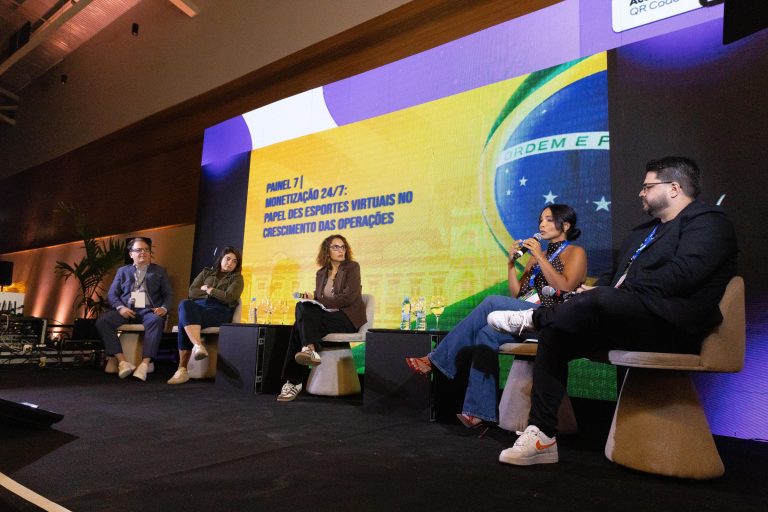
Following CGS Recife 2026, we look at the conversations shaping Virtual Sports in Brazil and why always available and accessible sporting entertainment is becoming an increasingly relevant part of the operator experience.

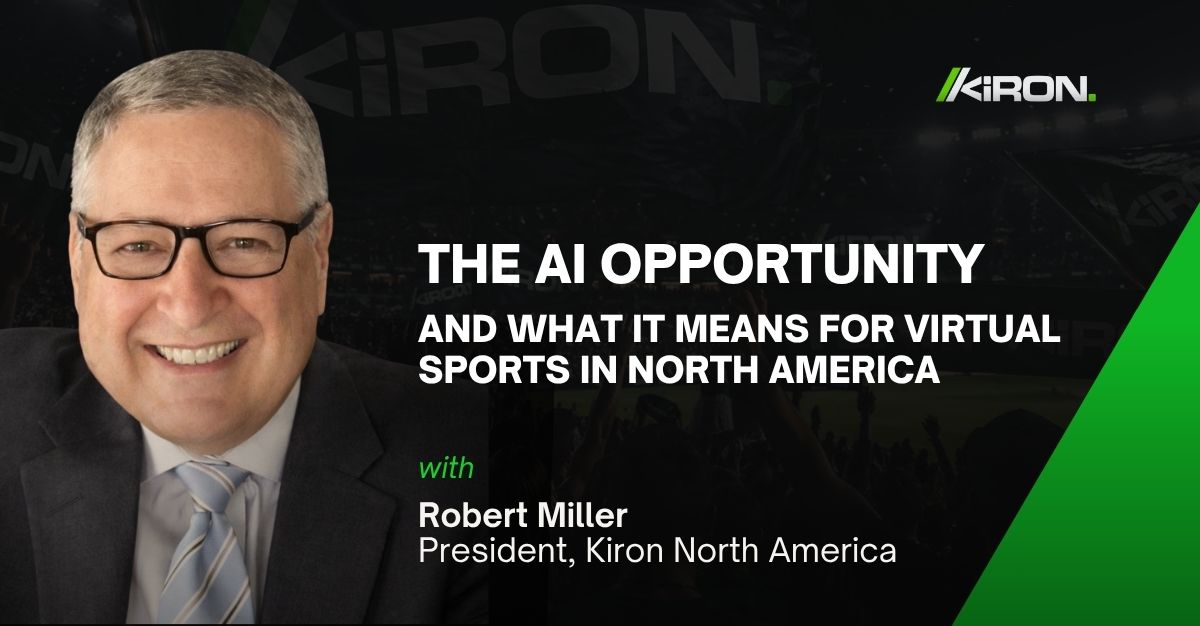
Robert Miller, President at Kiron North America, explores where AI can genuinely add value to virtual sports, from enhancing the player experience to supporting responsible gambling. He also considers the regulatory boundaries that matter and what AI could mean for the future of the category in North America.


Published by Press Giochi, this article explores why Italy has become a proving ground for virtual sports, where strong technology is now the starting point rather than the differentiator. It looks at how rising player expectations are shaping product design, localisation and innovation, and why experiences built around local preferences are becoming increasingly important across regulated markets.


North America’s virtual sports market is full of opportunity, but regulation remains complex and highly localised. In his latest interview with iGaming News, Robert Miller, President at Kiron North America, looks at what suppliers need to navigate and why clarity, proportionality and channelisation matter.

Alberta’s regulated online gambling market is now open, but long term success will depend on more than licences and launch offers. Operators will need relevant content, strong user experiences and products that keep audiences engaged between live sporting events. For Kiron, locally resonant titles such as Legends Shootout show how market specific virtual sports can support that broader entertainment mix.


This Women’s Day, Kiron celebrates the women who lead, innovate and help shape the business every day. Their expertise, judgement and ambition are central to Kiron’s success, alongside colleagues across the company, in a workplace where contribution, performance and potential define opportunity.

Artificial intelligence is becoming part of the everyday operating model across iGaming, with businesses using it to improve workflows, support decision making and strengthen the customer experience. In a recent iGaming News round table, industry leaders shared how they are applying AI in practice, where it is delivering value and what its wider adoption could mean for the sector. Below, we share Kiron Interactive’s contribution to the discussion.

.png)
Kiron has been shortlisted for Virtual Sports Supplier at the SBC Awards 2026, marking another milestone in its 25th anniversary year. The recognition reflects a year of portfolio growth, new market launches and continued investment in products including Kiron.Lite, Fans World Cup, Legends Shootout and NHL 5 on 5. Winners will be announced on 1 October 2026 at the MEO Arena in Lisbon.