
Virtual Sports through a North American lens
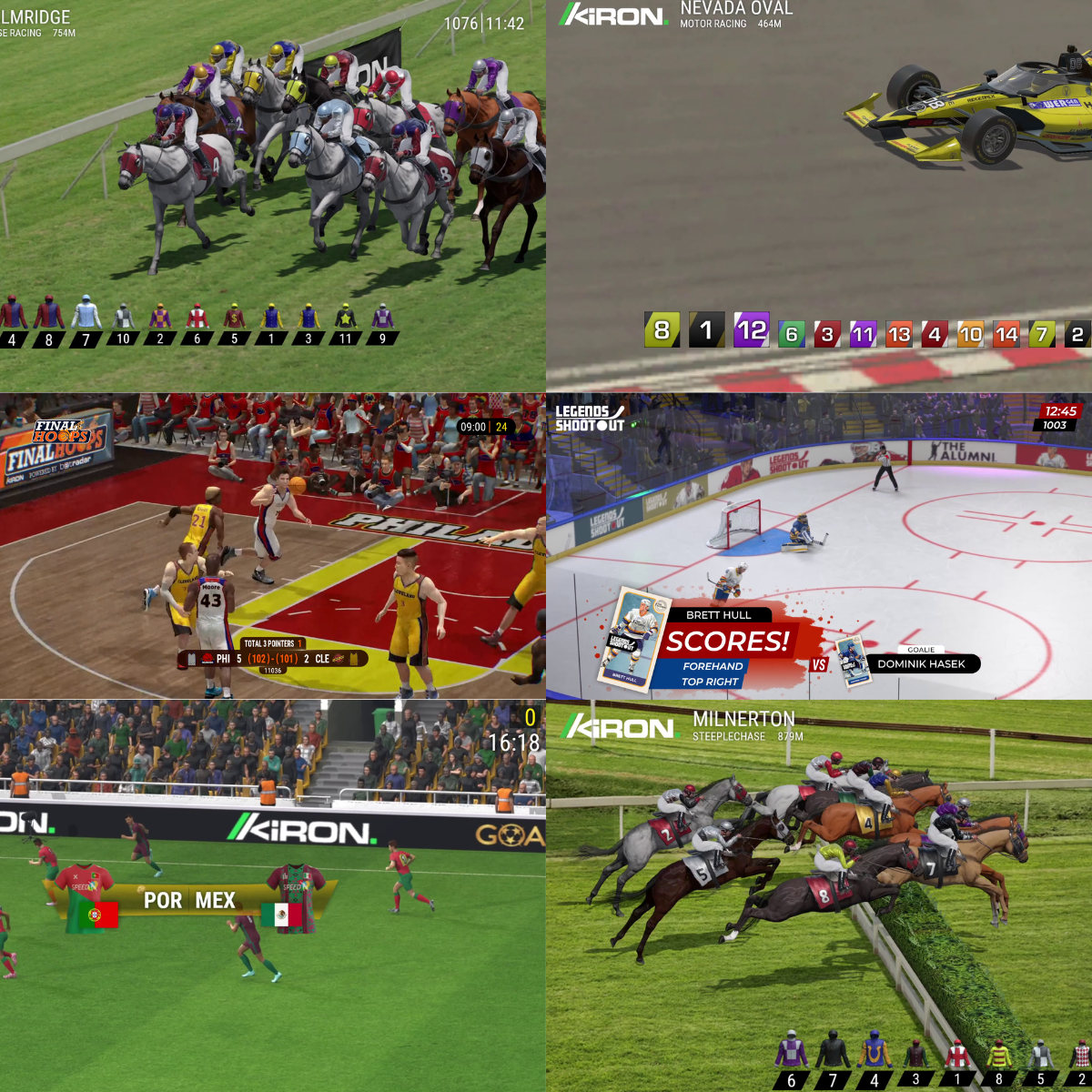
Following your visit to G2E, what stood out about North America’s approach to sports and gaming entertainment?
It's often got a lot less to do with the product and so much more to do with the experience. Some of the most beautiful, 10-foot-high slot machines stand empty, while the ones with outdated brass edges and worn-out buttons are being played to death. Bright and shiny will get you some play on day 1, but it takes a great experience to get the same play on day 100.
That's as true for virtual sports as it is for slots.
For readers unfamiliar with virtual sports, how would you describe the experience and its appeal?
Virtual sports offers something for every type of bettor. It has the excitement of sports, the clear odds and payouts a table player looks for, and the volatility and chance at a big payout every slot player loves. I can't think of anything else on the casino floor that does all three.
How might North America’s sporting culture influence the way audiences respond to virtual sports?
Sports bettors fall into two distinct "modes". Analysis and action. When a bettor is spending three hours breaking down injury reports for Sunday football, they want their edge. Virtual sports isn't designed for that headspace. Virtuals are for the "action mode". For the moments when you’ve already placed your main bets, there's a commercial break, or live games have wrapped up, and you just want the fast, cinematic thrill of an outcome. It’s an instant-gratification bridge product. It borrows the visual language of sports to deliver the frictionless, high-frequency pace that table games and slots have mastered for decades.
What makes a new gaming experience work well in a retail setting and how might that influence the way North American players are introduced to virtual sports?
Retail lives on excitement. You can't help but look over when there are cheers from the craps table. Virtuals are fantastic at bringing that. Like real sports, they shouldn't be a solo experience. Walk into any sportsbook and you'll see strangers comparing bets the moment they've placed them. With virtuals, you're all watching the same event, at the same time, not in your own private battle with a slot machine.
For North American players, that means introducing virtuals where people are already watching and betting together, like the sportsbook, rather than on a screen tucked away in a corner.
When introducing a new category, what helps audiences understand it and feel confident trying it?
What helps most is that virtual sports aren't really new to anyone. A North American player already knows what a horse race or hockey game looks like, and they already know how to read a bet slip. There's very little to learn. The odds and the payout are on screen before they bet, so there's nothing hidden. And because there's another event every few minutes, nobody has to jump in straight away. They can watch a couple, see how it plays out, and bet when they're ready.
Looking ahead, how do you see the relationship between sports fandom and interactive entertainment developing in North America?
A lot of sports viewing is practically built around the phone in your hand now. FanDuel and DraftKings have done a lot of the heavy lifting by familiarising players with micro-betting and in-play engagement. Continuous action, not just match outcomes, is becoming the norm. And as that appetite for immediacy grows, virtuals become a natural extension. It's the perfect way to bridge the quiet lulls between major broadcast games with instant, cinematic resolution.