Global Teams, One Culture: Making Remote Work Deliver in iGaming
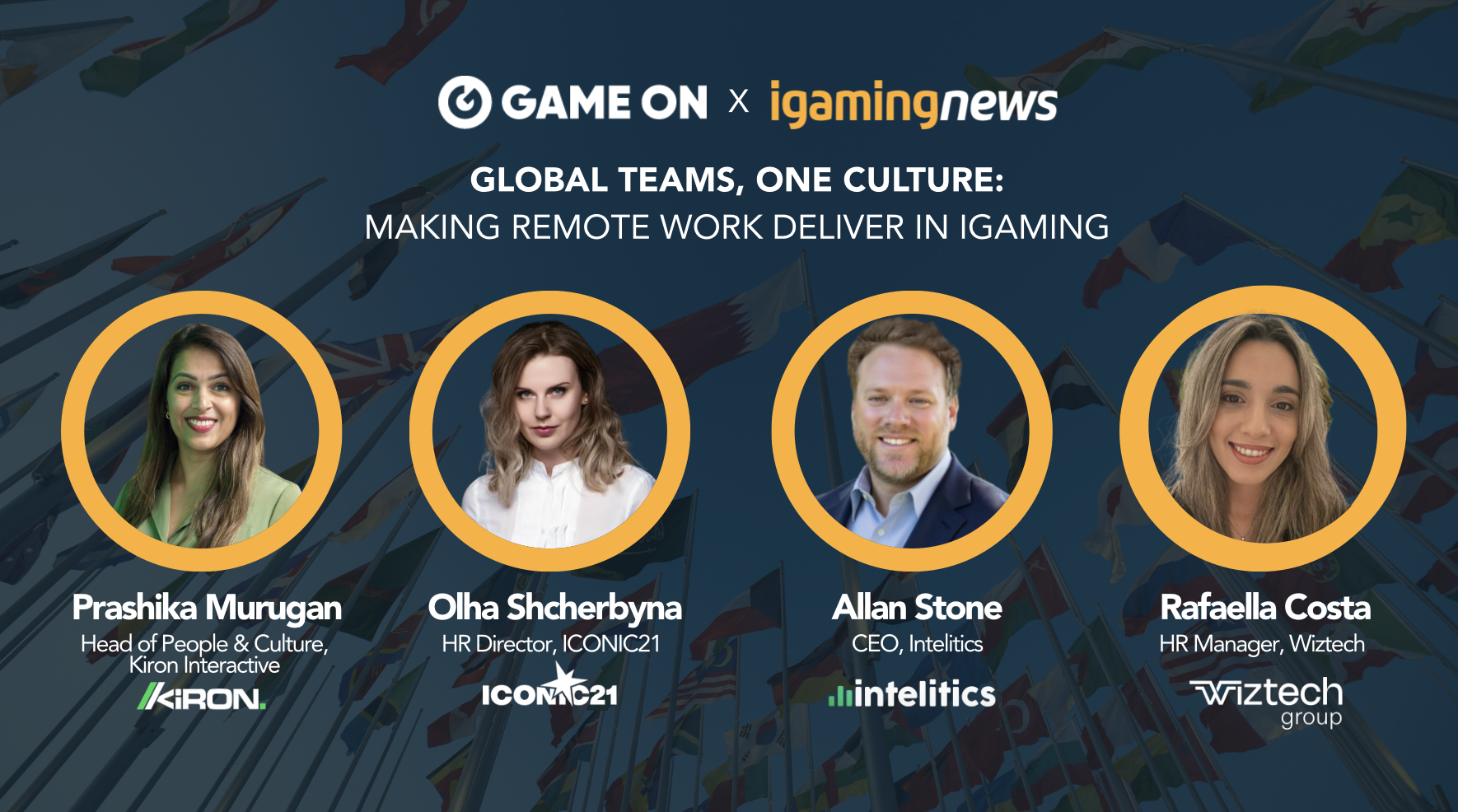
iGaming has always been a borderless industry, but building a strong culture across remote and hybrid teams remains an ongoing challenge. As businesses continue to scale across multiple markets and time zones, success depends on more than technology. It requires clear communication, strong leadership, and a shared sense of purpose. In this roundtable, industry leaders discuss how they're creating aligned, high-performing teams while embracing the flexibility that has become a defining feature of the modern iGaming workplace. Prashika Murugan, Head of People and Culture at Kiron Interactive, Olha Shcherbyna, HR Director at ICONIC21, Allan Stone, CEO at Intelitics and Rafaella Costa, HR Manager at Wiztech
What does a high-performing remote or hybrid culture look like in today’s iGaming landscape?
Prashika Murugan: At Kiron, a high-performing remote or hybrid culture is built on trust, clarity and shared purpose. Our teams work across different countries and time zones, so success isn't about where people work from - it's about ensuring everyone understands the goals, feels connected to the business and has the autonomy to deliver. We've found that strong communication, clear accountability and a collaborative mindset are far more important than physical proximity. Equally important is creating opportunities for people to build relationships and feel part of the wider team. When employees feel trusted, informed and empowered, they're more engaged and more willing to take ownership. That's when distributed teams become a real driver of innovation, agility and growth.
Olha Shcherbyna: A strong remote or hybrid culture is built on simple things done consistently: open communication, trust and clarity. In iGaming, where teams are often spread across different countries, it's important that people understand not only what they're working on but also why it matters. Culture also comes from everyday interactions. Recognising good work, celebrating milestones and making time for informal connections helps people feel part of the business, even if they rarely meet in person.
Allan Stone: High-performing doesn’t mean everyone online at the same hour. It means everyone knows exactly where the company is going, what the goals are and how their individual work ladders up to those goals. We run across four continents, six time zones, seven countries. Everything is virtual. That’s not a constraint. It’s the operating model. Teams that get this wrong chase synchronicity: same hour, same tool, performing culture for each other. Teams that get it right chase clarity: goals visible, ownership assigned, progress tracked in the open. Culture in a distributed team isn’t a vibe. It’s a system of transparency people can check themselves against, any hour, any continent.
Rafaella Costa: A strong remote or hybrid culture is built on trust, clear communication and shared goals. In iGaming, where teams are spread across different countries, people need to feel connected to the business regardless of location. Success comes from creating an environment where employees understand expectations, collaborate effectively and have the autonomy and support to perform at their best.
How are you maintaining alignment and accountability across teams working in different locations and time zones?
Prashika Murugan: Alignment starts with making sure everyone understands the bigger picture. At Kiron, we focus on setting clear objectives and ensuring teams know how their work contributes to broader business goals. We combine regular team engagement with collaborative tools that provide visibility across projects, priorities and progress. This creates transparency and helps teams stay connected, regardless of location. We also place a strong emphasis on ownership. Rather than managing through constant oversight, we give people responsibility and trust them to deliver. When expectations are clear and communication is open, accountability becomes part of the culture rather than a process. That allows teams to move quickly, make informed decisions, and remain aligned even when working across different regions and time zones.
Olha Shcherbyna: The biggest factor is having clear processes. Everyone should know what they're responsible for, how decisions are made, and where to find information without waiting for someone to reply in another time zone. Transparency and speed are equally important. We use an HRIS (HR Information System) to keep key HR processes, policies and employee information in one place, making it easier for people to access what they need and for managers to make decisions quickly. Combined with regular check-ins, shared documentation and clear priorities, this helps teams stay aligned without creating unnecessary meetings.
Allan Stone: We hold to a fixed cadence: daily check-ins, weekly stand-ups, monthly planning sessions, quarterly reviews, an annual strategy session. None of it works without one thing underneath it: transparency about where the company is going, what the company’s goals are and how those goals break down into individual and group targets, with everyone able to see where they stand against them. That’s what accountability actually is. Not managers checking in. People checking their own number against the plan without being asked. We get the whole team together once a year in person and many cross paths again at trade shows and industry meetups throughout the year. The gatherings build the relationships. The cadence and the transparency run the company.
Rafaella Costa: Alignment starts with clear objectives and open communication. Regular check-ins, transparent reporting and defined responsibilities help keep everyone on the same page. We focus on outcomes rather than hours worked, giving teams the flexibility they need while ensuring accountability and consistent collaboration across different locations and time zones.
What role does leadership and marketing strategy play in keeping global teams connected to a single brand vision?
Prashika Murugan: Leadership and marketing are both critical in creating alignment across global teams. Leadership sets the direction and ensures there is a clear understanding of the company's goals, values and priorities. Marketing helps bring that vision to life by creating a consistent brand story that resonates across markets. At Kiron, while local markets may have different requirements, the core of who we are as a business remains consistent. A strong marketing strategy helps reinforce that identity, while leadership keeps teams focused on the bigger picture. When people understand not only what the business is doing, but why it's doing it, they are far more likely to make decisions that support the overall vision and deliver a consistent experience to customers and partners.
Olha Shcherbyna: Leadership sets the tone. When leaders communicate openly and explain not just decisions but the reasoning behind them, employees feel more involved and confident in the direction the company is taking. Marketing, together with HR and employer branding, reinforces that message by sharing company news, business achievements, employee stories and values. This creates a consistent experience for employees wherever they are based and helps everyone represent the same brand externally.
Allan Stone: Leadership’s job is to say the same thing every time, in every room, on every continent, until it stops sounding like news. The direction. The goals. How individual and group work rolls up into them. Say something different in the Manila stand-up than in the Malta one and the brand vision splits before marketing ever touches it. Marketing doesn’t create alignment. It reflects what’s already true inside the company. A team that’s clear internally produces external messaging that reads as one voice, from one company, no matter which time zone wrote it. A team that isn’t clear produces content that sounds like seven different companies operating under a single logo.
Rafaella Costa: Leadership sets the tone by consistently communicating the company's vision and values. Marketing reinforces that message by ensuring the brand is represented consistently, both internally and externally. When leadership, HR and marketing work together, employees across all locations feel connected to the same purpose and culture.
Where do hybrid models work best in iGaming, and where do they still create friction?
Prashika Murugan: Hybrid models work particularly well in areas such as technology, product development, marketing and customer support, where collaboration can happen effectively through digital tools. They provide flexibility, improve access to talent and often lead to greater employee satisfaction. The challenge comes when organisations assume one approach works for every situation. Strategic planning, onboarding and relationship building can sometimes benefit from face-to-face interaction, particularly when teams are growing or navigating change. At Kiron, we've found that success comes from being intentional. Hybrid work shouldn't be about where people sit - it should be about creating the right environment for collaboration, innovation and performance. When that balance is achieved, the benefits far outweigh the challenges.
Olha Shcherbyna: Hybrid working is particularly effective for roles that require collaboration, creativity and focused individual work. It also gives companies access to a much wider talent pool, which is a major advantage in such a competitive industry.The challenges usually appear when ways of working are inconsistent. Unclear responsibilities, fragmented communication, or delays caused by time zone differences can slow teams down. Having agreed processes and documenting decisions helps avoid most of these issues.
Allan Stone: Hybrid works where output can be checked without watching the process: content, product, analytics, most of what an iGaming operation actually runs on. It creates friction where trust hasn’t been built yet: onboarding a new hire, negotiating a partner deal, resolving a conflict between two people who’ve never met in a room. Those situations need a face, at minimum. We solve for it by getting the whole team together once a year, and by leaning on the trade shows and meetups where people cross paths anyway. The mistake companies make is treating hybrid as a policy set once. It’s not. It’s a judgment call made per situation, per relationship, per stage of trust.
Rafaella Costa: Hybrid works well for functions like technology, product and operations, where flexibility supports productivity. The biggest challenges are maintaining team cohesion, onboarding new employees, and ensuring everyone has equal access to information and opportunities. Success depends on having clear processes and inclusive communication.
How can businesses turn distributed team structures into a competitive advantage rather than an operational challenge?
Prashika Murugan: The key is to view distributed teams as a strategic asset rather than a logistical hurdle. At Kiron, operating across different regions gives us access to diverse perspectives, specialist skills and valuable local market knowledge that strengthens the solutions we deliver to our partners. Technology plays an important role, but culture is what makes the difference. Teams need clear communication, shared goals and the confidence to make decisions. When people feel trusted and connected to a common purpose, geography becomes far less relevant. Distributed teams also create opportunities for greater agility and responsiveness across markets. Businesses that invest in collaboration, transparency and strong leadership can turn their global footprint into a genuine competitive advantage that supports innovation and long-term growth.
Olha Shcherbyna: Companies that treat remote work as a long-term operating model rather than a temporary solution tend to get the best results. They invest in the right tools, make information easy to access and create processes that support collaboration regardless of location. A distributed workforce also brings broader experience, different perspectives and access to talent that wouldn't otherwise be available. When people have the information they need, understand what's expected of them and can move quickly without unnecessary bureaucracy, location becomes much less important than the quality of execution.
Allan Stone: Distributed only becomes a challenge when a company treats presence as a proxy for output. Drop that and four continents and seven countries stop being a coordination problem and start being access: to talent, to time zones, to markets you’d otherwise need a local office to understand. The advantage isn’t remote work itself. It’s what remote work forces you to build: real transparency on goals, real accountability without a manager standing over a desk, a cadence that runs the business on its own. Companies that build that can hire the best person for the job regardless of postcode. Companies that don’t just get a distributed version of a broken culture. Same problem, more time zones.
Rafaella Costa: Distributed teams give businesses access to a wider talent pool and diverse perspectives. The key is investing in strong leadership, consistent processes, and a culture that keeps people connected. When employees feel trusted, engaged and aligned with the company's goals, remote teams become a real competitive advantage.