Localisation Is No Longer Optional in Virtual Sports
Localisation Is No Longer Optional in Virtual Sports
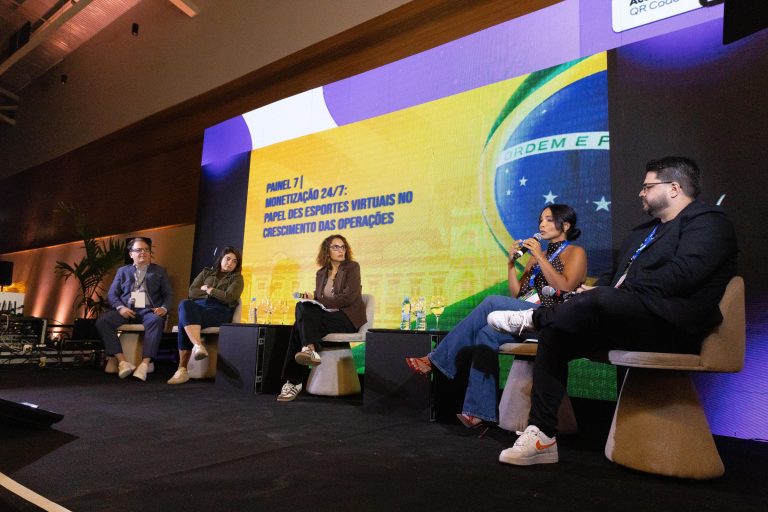
The Brazilian market has been the talk of the iGaming industry since its regulated launch at the start of 2025.
The market’s immense potential has already been demonstrated, with year-one reports from Brazil's Secretariat of Prizes and Betting (SPA) showing BRL 17.4 billion in GGR in the first half alone, and full-year estimates ranging from BRL 22 to 31 billion.
In just twelve months, Brazil became the fifth-largest betting market in the world, and every business wanted to get involved.
Localisation has been at the centre of the Brazil conversation from the beginning. Ask any studio or operator about their Brazil strategy, and localisation would likely be at the centre of their answer.
LatAm Ready, Not Brazil Ready
However, that approach to localisation could differ wildly. One common mistake is approaching the market with an off-the-shelf ‘LatAm-ready’ strategy. What they really meant when they talked about localisation was a few translations or a samba-themed reskin of some games.
What businesses quickly discovered, though, is that a LatAm-ready virtual sports product and a Brazil-ready one are far from the same, and the differences between the two can be extremely costly.
Treating Brazil as an entry point into a wider LatAm market, or as part of a wider LatAm package, is always going to be a misstep.
The country has its own cultural preferences, sporting calendar, and betting habits. Operators and providers who have taken the time to consider these are the ones who have seen early success in the market.
Creating a localised product for Brazil means having a deep understanding of the country’ s culture and sporting landscape.
Football is the beating heart of Brazilian sport and culture, and can serve as the perfect example of localisation done correctly. Around 85% of Brazilian bettors primarily wager on football, so getting the sport right is essential.
While the Premier League, La Liga, and the Bundesliga all carry huge international appeal, they do not have the same weight with Brazilian players as Série A and Série B.
At Kiron, we have built virtual sports products around the Brazilian leagues, providing recognisable league structures and teams for bettors to engage with. These products have resonated with Brazilian players much more than a standard football-themed game would have done.
Investing in Content
Localisation now requires a serious product investment. In Brazil, it requires building content around recognisable teams and leagues, as well as ensuring the user experience is adapted to local preferences.
This is exactly the approach we have taken at Kiron, creating content that resonates and ensuring the betting experience is built around how audiences actually play.
This user experience point is central to localisation. Brazilian Portuguese, like all languages, comes with its own nuances, and direct translations from other languages will be instantly picked up.
Commentary, interface copy, and notification language are all essential parts of the betting experience, and native speakers will quickly be able to tell the difference between translated language and something that has actually been designed for them.
Likewise, first-year figures from SPA traffic analysis estimate that 99% of Brazilian bettors are betting using mobile devices.
Essentially, if you are not building your product around mobile-first content, as we provide at Kiron, you are not really catering to Brazilian players at all.
SPA data also shows the average Brazilian bettor spends around BRL 164 per month, typically places bets one to two times per week, and stakes in small to moderate amounts rather than chasing high-value single bets.
As such , operators looking to truly localise should align with these betting trends, working with studios like Kiron to provide fast-paced content that provides these kinds of experiences.
Establishing Trust
There is, of course, another element to all of this: trust. In the iGaming space, trust is the most valuable currency a business can possess, and one of the strongest ways to earn it is through familiarity.
Brazilian players show strong loyalty to brands that understand them. In a market that is comparatively young, public perception of online gambling is still being shaped in real time, and brand credibility and trust can carry significant weight.
Companies that invest in the market and its players will be the ones to establish strong foundations there, especially as competition heats up. Companies, whether it is operators or studios, that have treated Brazil as just another LatAm market will be exposed, and the gap will become increasingly difficult to close.
Brazil is the biggest example of a wider shift in iGaming. As the industry becomes more globalised and new markets are regulated, localisation is no longer a differentiator; it is now a necessity.
As a company that operates across multiple regulated markets worldwide, we have seen the commercial value of localisation first-hand. Markets like Brazil demand companies, like Kiron, that have taken the time to understand their needs and have built their products to meet them.